


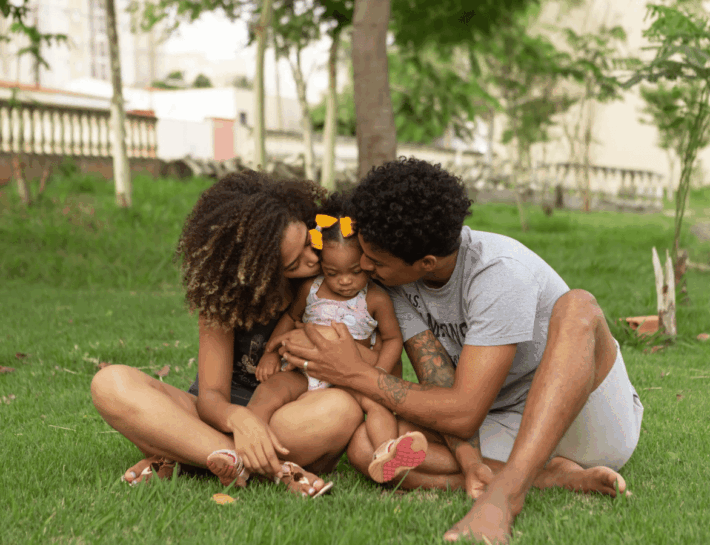
October is Mental Health Month, a good reminder that preparing for a baby should include preparing for the emotional transition into parenthood, too.
Welcoming a baby can bring enormous joy, but also exhaustion, uncertainty, changes in identity and relationship stress. While conversations about postpartum mental health often focus on mothers, dads and partners can struggle too.
Baby Blues vs. Postpartum Depression
The baby blues are very common, affecting an estimated 50–90% of new mothers. Symptoms may include tearfulness, mood swings, irritability, anxiety and feeling overwhelmed. They usually begin soon after birth and improve within about two weeks.
Postpartum depression (PPD) is different. Symptoms are more persistent or intense and can interfere with daily life, relationships or caring for yourself or your baby.
According to the CDC, approximately 1 in 8 women experience symptoms of postpartum depression. Fathers are affected as well: research estimates that roughly 1 in 11 dads experience depression during their baby’s first year.
Postpartum mental health isn’t only a mom issue—it’s a family health issue.
Know the Signs
Postpartum depression can look different for everyone. Signs may include:
- Persistent sadness, hopelessness or frequent crying
- Excessive worry, anxiety or panic
- Irritability or anger
- Withdrawing from family and friends
- Loss of interest in things you normally enjoy
- Difficulty concentrating or making decisions
- Changes in appetite or sleep beyond what is expected with a newborn
- Feelings of guilt, worthlessness or inadequacy
- Difficulty bonding with your baby
- Feeling unable to cope with everyday responsibilities
For dads, depression may be less obvious. Increased irritability, anger, withdrawal, isolation, hopelessness or difficulty functioning at home or work can all be signs that support is needed.
Thoughts of suicide, self-harm or harming the baby require immediate professional help.
- Prepare Before Baby Arrives
- Talk about mental health (history, anxiety)
- Build your support system
- Protect sleep where possible
- Discuss expectations
- Know where to get help
- After Baby Arrives: Check on the Parents Too
Ask each other:
How are you feeling emotionally?
Are you getting any real rest?
Do you still feel like yourself?
What can I take off your plate today?
Support in Grand Cayman
The Counselling Centre – Cayman Islands Department of Counselling Services
Provides free counselling to Cayman Islands residents for concerns including depression, anxiety, adjustment difficulties and family or relationship challenges. Individuals can self-refer.
Phone: +1 (345) 949-8789
Email: counselling.services@gov.ky
Health Services Authority (HSA)
HSA Women’s Health and maternity services can be a first point of contact for postpartum concerns. HSA’s complimentary ParentCraft programme also includes education around parent and infant mental health.
Private support
Grand Cayman has several private mental health providers, including Infinite Mindcare, which offers perinatal mental health support, as well as Behavioral Health Associates Cayman (BHAC) and The Wellness Centre.
In an emergency: If you or someone you know is experiencing suicidal thoughts, thoughts of self-harm or harming someone else, postpartum psychosis or another mental health emergency, call 911 or seek emergency medical care immediately.
A Reminder from Project Motherhood
Becoming a parent is an enormous physical and emotional transition. Check in with Mom. Check in with Dad, too. Accept help, talk openly about how you’re feeling and reach out when something doesn’t feel right.
Taking care of a baby’s wellbeing includes taking care of the people caring for them.
Project Motherhood provides educational information and does not replace individualized medical or mental health advice.


